
If you’ve ever been told “Start retinol in the winter”, you might be wondering, is January really the best time to start retinol?
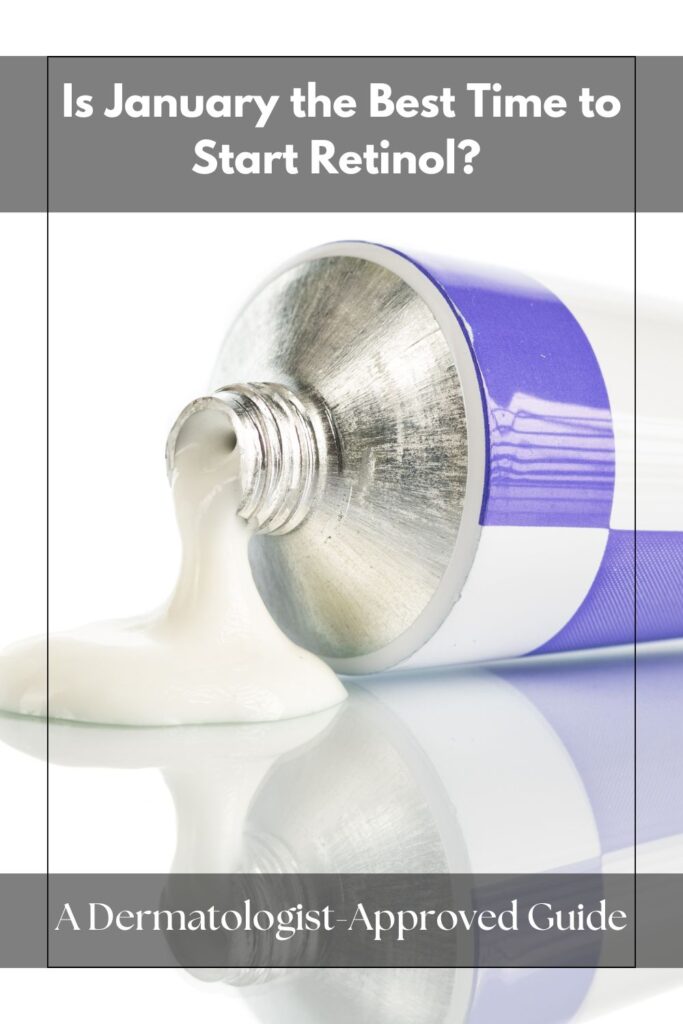
Dermatologists often recommend January as the ideal month to introduce retinol into your skincare routine, and for good reason. With less sun exposure, more consistent routines, and a natural “reset” mindset, winter creates the perfect environment for retinol success, with less irritation and better long-term results.
In this dermatologist-approved guide, we’ll break down:
- Why January is the best time to start retinol
- How retinol actually works on the skin
- How to start retinol safely (without ruining your skin barrier)
- Common retinol mistakes to avoid
- Who should not start retinol just yet
What Is Retinol and Why Do Dermatologists Love It?
Retinol is a vitamin A derivative and one of the most researched and proven skincare ingredients in dermatology.
Benefits of Retinol:
- Increases collagen production
- Reduces fine lines and wrinkles
- Improves skin texture and tone
- Helps unclog pores and treat acne
- Fades dark spots and sun damage
- Speeds up cell turnover
Because retinol works at a cellular level, it delivers powerful results—but it also requires proper timing and consistency, which is where January comes in.
Why January Is the Best Time to Start Retinol
1. Less Sun Exposure = Less Irritation
Retinol makes your skin more sensitive to UV rays. In January:
- Days are shorter
- UV exposure is lower
- People spend less time outdoors
This significantly reduces the risk of:
- Sunburn
- Hyperpigmentation
- Retinol-induced irritation
💡 Dermatologist tip: While sunscreen is always required with retinol, starting during low-UV months gives your skin a gentler adjustment period.
2. Skin Is in “Repair Mode” During Winter
Cold weather naturally slows oil production, making winter an ideal time to:
- Focus on skin renewal
- Repair summer sun damage
- Strengthen the skin barrier
Retinol thrives in this repair-focused season, especially when paired with barrier-supporting moisturizers.
3. Winter Clothing Protects Treated Skin
Hats, scarves, and minimal sun exposure act as built-in protection for your skin while it adjusts to retinol. This added coverage helps prevent inflammation and post-inflammatory pigmentation.
4. New Year = Better Consistency
Retinol only works if you use it consistently. January brings:
- New routines
- Fewer vacations
- More structured evenings
Consistency is one of the biggest predictors of retinol success, making January a psychologically ideal starting point.
“Glow in your own way; softly, slowly, beautifully.”
How to Start Retinol the Right Way (Dermatologist-Approved)
Starting retinol incorrectly is the #1 reason people quit too soon. Follow this method to avoid irritation:
Step 1: Choose the Right Strength
- Beginners: 0.25%–0.3% retinol
- Sensitive skin: Retinol alternatives or retinaldehyde
- Acne-prone or experienced users: 0.5%+
Medik8 offers amazing beginner friendly retinaldehyde’s, along with offering 6 progressive strengths.
Step 2: Start Slow
- Use 2 nights per week for the first 2–3 weeks
- Increase to every other night
- Eventually build to nightly use (if tolerated)
Step 3: Use the “Sandwich Method”
- Cleanse
- Apply moisturizer
- Apply a pea-sized amount of retinol
- Seal with moisturizer again
This reduces dryness without reducing effectiveness.
Step 4: Moisturize Like It’s Your Job
Pair retinol with:
- Ceramides
- Hyaluronic acid
- Niacinamide
- Peptides
Avoid layering retinol with:
- AHAs/BHAs
- Benzoyl peroxide
- Vitamin C (same routine)
Step 5: Wear Sunscreen Daily (No Exceptions)
SPF 30+ every morning, even in winter.
Common Retinol Mistakes to Avoid in January
❌ Starting too strong
❌ Using it every night immediately
❌ Skipping moisturizer
❌ Not wearing sunscreen
❌ Expecting overnight results
Results timeline:
- 4–6 weeks: texture improvement
- 8–12 weeks: acne + tone improvement
- 3–6 months: visible anti-aging results
Who Should Wait Before Starting Retinol?
You may want to delay retinol if you:
- Are pregnant or trying to conceive
- Have eczema, rosacea flares, or a compromised barrier
- Recently had lasers, microneedling, or chemical peels
- Are currently over-exfoliating
Always consult a dermatologist or licensed skincare professional if unsure.
Retinol vs Prescription Tretinoin: Should You Start in January?
January is also a popular time to begin prescription tretinoin, but it:
- Is stronger
- Causes more irritation initially
- Requires stricter adherence
If you’re new to vitamin A, starting with retinol in January is often the smarter, more sustainable option.
Final Takeaway
Retinol is a marathon, not a sprint. Starting in January allows your skin to adjust gradually, safely, and effectively, so you actually stick with it and see results.



Leave a Reply